
Life Neuroscience
NeuroLife
Sun, Nov 15, 2026
[Archive]
Volume 3, Issue 1 (1-2025)


Abstract
(2702 Views)
| Graphical Abstract
| Reseach Highlights
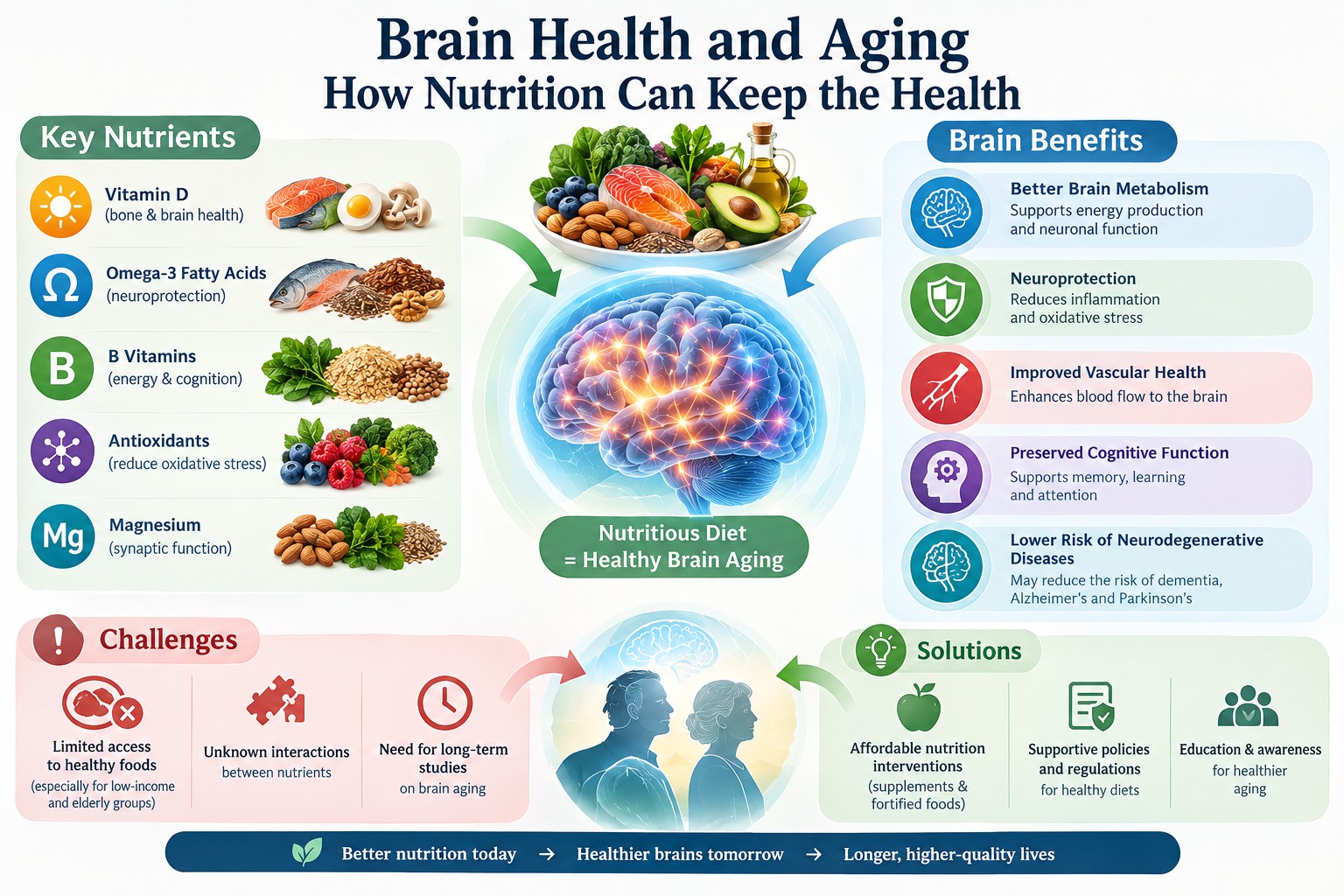
Graphical Abstract:
Reseach Highlights:
- Aging is a major risk factor for neurodegenerative diseases.
- Healthy aging relies on nutrient-rich dietary patterns and smart eating habits.
- Functional foods are a promising approach to preventing age-related diseases.
- Vitamin D, omega-3 fatty acids, and B vitamins are among the essential nutrients for brain function.
Abstract
(2759 Views)
| Graphical Abstract
| Reseach Highlights

Graphical Abstract:
Reseach Highlights:
- Maternal diet shapes infant gut microbiota and early brain development.
- Gut dysbiosis links to autism, anxiety, and depression risk.
- Trillions of microbes influence neurogenesis during critical early-life windows.
- Microbiome acts as key moderator, not mere observer, of stress.
- Targeting beneficial microbes may offer novel mental health therapies.
 Microsurgical Clipping versus Endovascular Coiling in Ruptured and Unruptured Anterior Circulation Aneurysms: A Literature Review
P. 21-35
Abstract
(2820 Views)
| Graphical Abstract
| Reseach Highlights
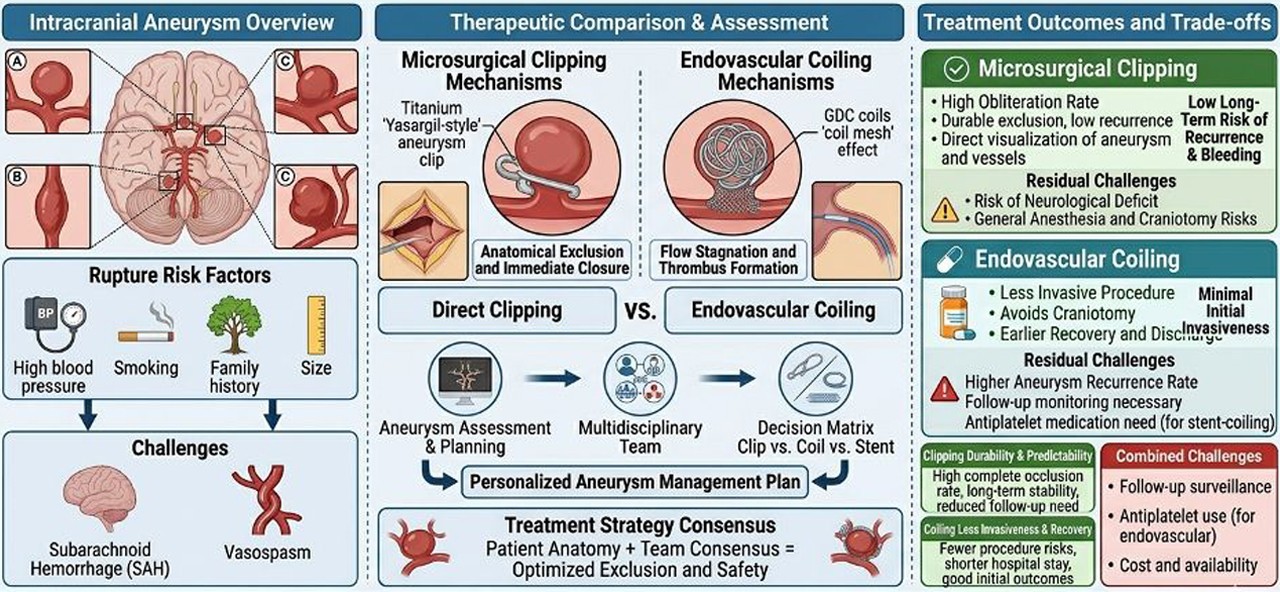
Graphical Abstract:
Reseach Highlights:
- Microsurgical clipping (MC) consistently demonstrated superior angiographic occlusion rates compared to endovascular coiling (EC).
- Aneurysms treated with endovascular coiling showed higher rate of recurrence, thereby higher rates of retreatment.
- MC demonstrated a vital survival advantage compared with EC in ruptured aneurysms across different locations.
- Endovascular coiling showed better results in terms of intracranial infection and delayed cerebral ischemia.
Redefining Anticoagulation in Neurosurgical Patients with Atrial Fibrillation: A Narrative Review of Risk Mitigation and Personalized Neuroprotection
P. 36-50
Parvin Mozafari * 

 , Garin Basmajian , Daniya Rahmath , Alvina Kalsahakian , Mohammed Hamza Sayed , Mohammad Hassan Bagheri
Abstract
(2804 Views)
| Graphical Abstract
| Reseach Highlights

Graphical Abstract:
Reseach Highlights:
- Develop individualized plans for anticoagulation in patients with AF who require neurosurgery to enhance outcomes.
- Establish a neuro-safe window to guide the resumption of postoperative anticoagulation with a minimum of hemorrhagic complications.
- Identify issues with traditional systemic risk scores used in neurosurgical anticoagulation.
- Review neuro-specific monitoring systems, to optimize individualized perioperative management of antithrombotic therapy.
- Educate about the neuroprotective benefits of DOACs and specific reversal strategies.
Arjun Jay Prakash * , Mariam Kukchishvili , Ketevani Alavidze , Moustapha Abdelgadir Mohamed Khider , Quirina Cho Afanwi , Mohammed Muneer Yousuf Elnour
, Mariam Kukchishvili , Ketevani Alavidze , Moustapha Abdelgadir Mohamed Khider , Quirina Cho Afanwi , Mohammed Muneer Yousuf Elnour
Abstract
(2769 Views)
| Graphical Abstract
| Reseach Highlights
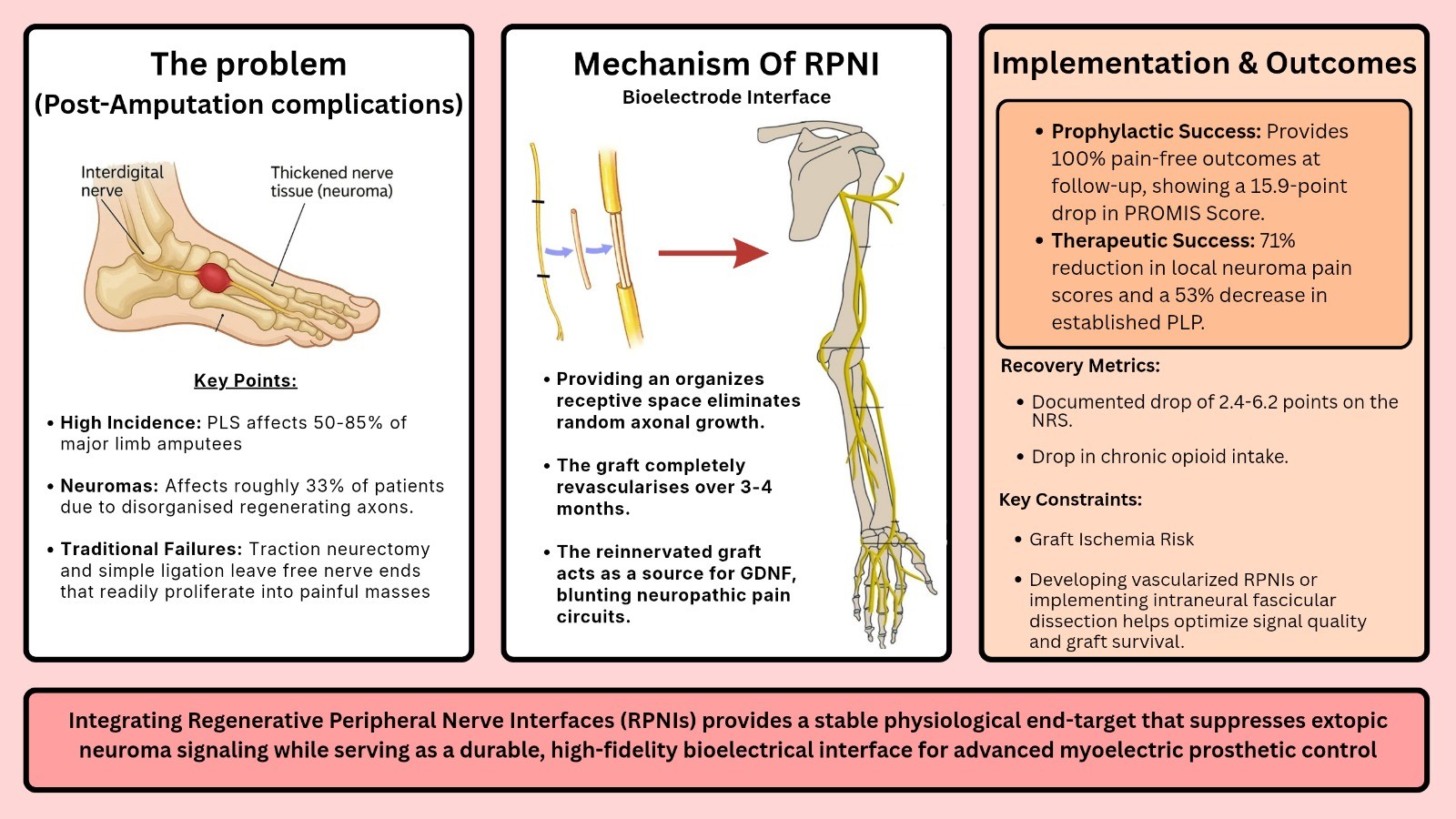
Graphical Abstract:
Reseach Highlights:
- Regenerative peripheral nerve interfaces provide a physiologic muscle end-target, effectively preventing disorganized axonal growth and neuroma formation.
- Clinical applications demonstrate significant reductions in post-amputation pain scores alongside decreased long-term opioid dependence.
- Prophylactic integration of muscle interfaces during primary amputation ensures superior long-term pain mitigation and functional recovery.
- The reinnervated muscle graft functions as a stable biological signal amplifier for high-fidelity myoelectric prosthetic control.
Beyond Thrombectomy: A Comprehensive Narrative Review of Rescue Angioplasty and Stenting in Refractory Large-Vessel Occlusion Stroke
P. 62-75
Parvin Mozafari , Tatia Tsiklauri , Salome Lobzhanidze , Giorgi Bakuridze , Ana Anakidze * , Mohammad Hassan Bagheri
, Tatia Tsiklauri , Salome Lobzhanidze , Giorgi Bakuridze , Ana Anakidze * , Mohammad Hassan Bagheri
Abstract
(2869 Views)
| Graphical Abstract
| Reseach Highlights
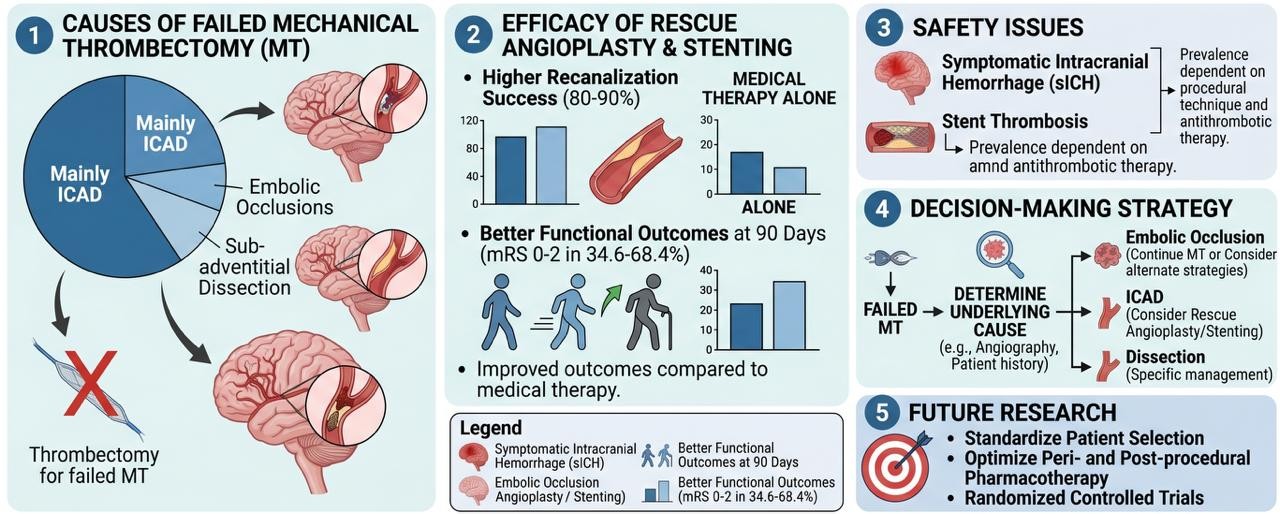
Graphical Abstract:
Reseach Highlights:
- Make it clear that intracranial atherosclerotic disease is the main reason of mechanical thrombectomy failure.
- Show that rescue angioplasty and stenting is highly effective in recanalizing refractory large vessel occlusion.
- Explain better functional outcomes at 90 days after rescue endovascular intervention for failed thrombectomy.
- Recognize that the primary safety risk of "rescue therapies" is ICP.
- Emphasize the need for uniform criteria for patient selection and peri-procedural treatment.
George P. Roy * , Abdullah Faez Banafea , Aryan Sanjiv Kadam , Baminahennadige Nuran Monuja Peiris , Rathnayake Mudiyanselage AkshinNehara Rathnaweera , Tamar Akhvlediani
, Abdullah Faez Banafea , Aryan Sanjiv Kadam , Baminahennadige Nuran Monuja Peiris , Rathnayake Mudiyanselage AkshinNehara Rathnaweera , Tamar Akhvlediani
Abstract
(2766 Views)
| Graphical Abstract
| Reseach Highlights

Graphical Abstract:
Reseach Highlights:
- Autoimmune encephalitis frequently presents with psychiatric symptoms, obscuring diagnostic boundaries between neurology and psychiatry.
- Early immunotherapy improves outcomes, showing the importance of recognizing rapid symptom progression and treatment resistance.
- Epidemiological studies reveal psychiatric manifestations in nearly half of encephalitis patients, increasing misdiagnosis and hospitalization.
- Comprehensive evaluation establishes diagnosis through cerebrospinal fluid antibody testing, neuroimaging, and excluding primary psychiatric disorders.
- Long-term management addresses persistent cognitive and mood impairments through multidisciplinary rehabilitation and structured follow-up care.
LRP1 and Microglial Dysfunction in Alzheimer’s Disease: Mechanistic Crosstalk, Dual-Target Therapeutic Strategies, and Sleep-Oriented Adjunctive Approaches
P. 101-115
Abstract
(2970 Views)
| Graphical Abstract
| Reseach Highlights
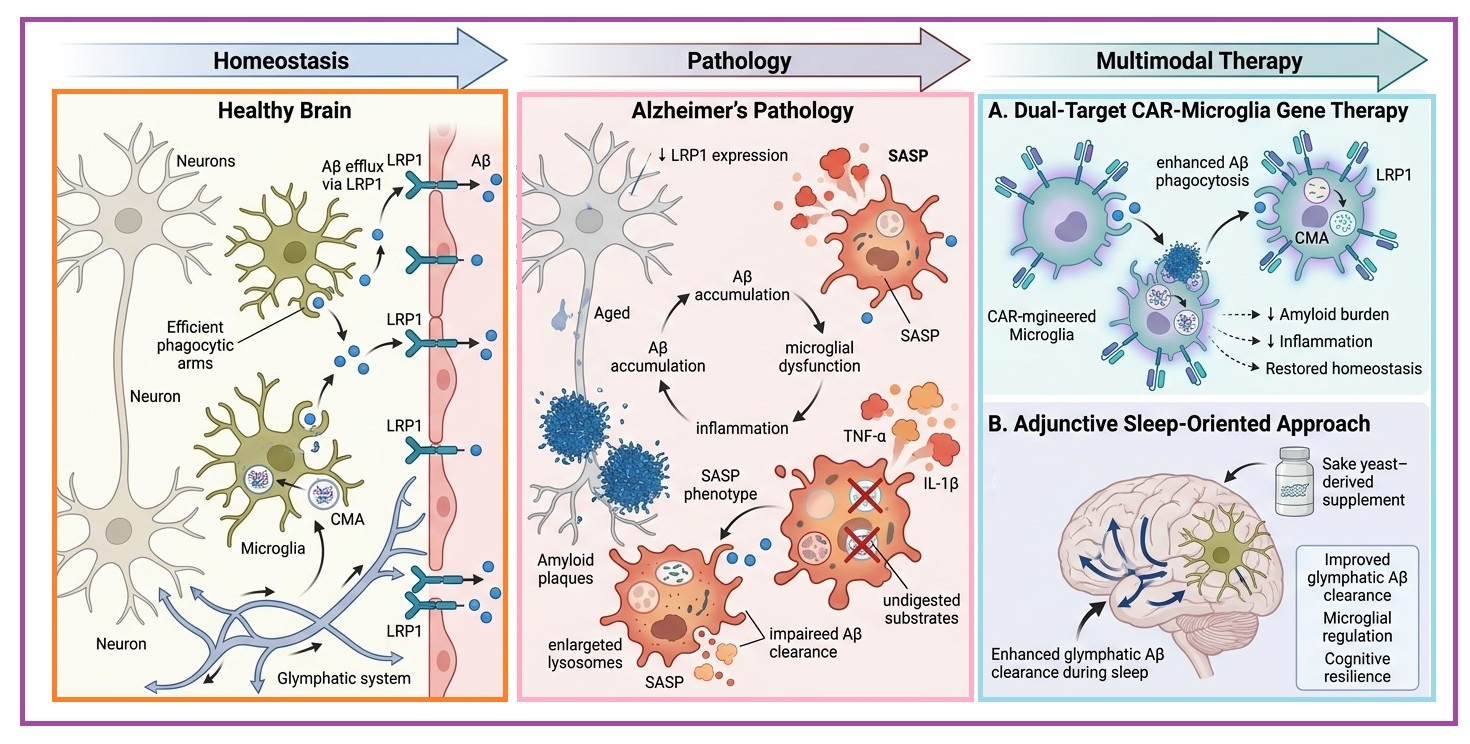
Graphical Abstract:
Reseach Highlights:
- LRP1 downregulation impairs amyloid-beta clearance, accelerating Alzheimer's disease progression.
- Microglial senescence drives inflammation, phagocytic loss, and lysosomal dysfunction.
- Dual-target therapy combines engineered microglia with LRP1 and CMA enhancement.
- Glymphatic dysfunction and sleep disturbances worsen microglial dysregulation in Alzheimer's.
- Sleep-supportive supplements offer adjunct therapy to boost cognitive resilience.


