
Life Neuroscience
NeuroLife
Sun, Oct 18, 2026
[Archive]
Volume 4, Issue 1 (1-2026)


Abstract
(2520 Views)
| Graphical Abstract
| Reseach Highlights
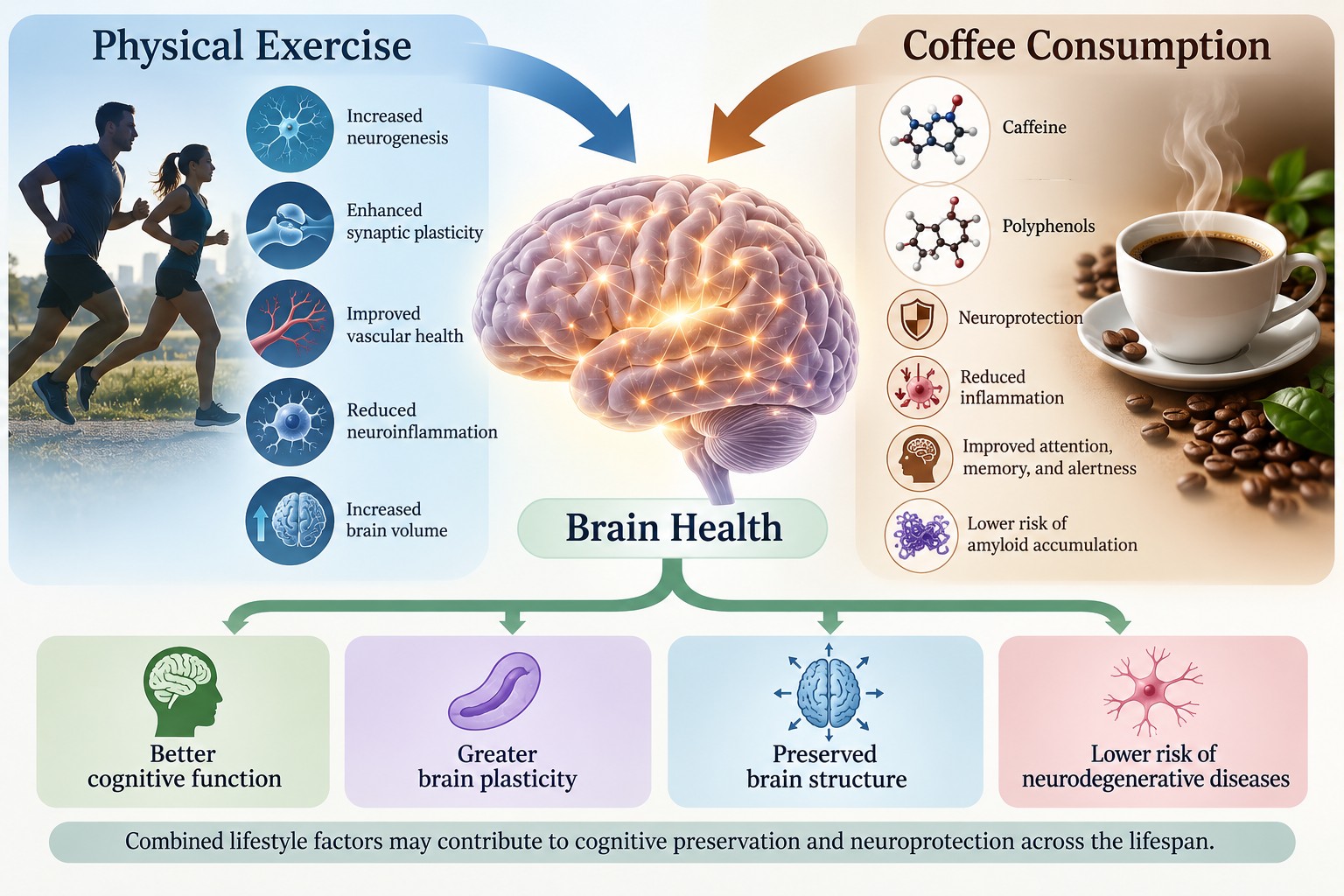
Graphical Abstract:
Reseach Highlights:
- Physical activity enhances problem-solving, working memory, and cognitive flexibility.
- Physical activity increases BDNF, which helps grow and maintain brain cells.
- Drinking coffee is associated with a reduced risk of neurodegenerative diseases.
- Caffeine blocks adenosine receptors in the brain and stops feelings of fatigue.
- Combining caffeine with physical activity can synergistically improve cognitive function.
 Comparative Outcomes of Deep Brain Stimulation Combined with Medical Therapy and Medical Therapy Alone in Parkinson’s Disease: A Literature Review
P. 10-25
Abstract
(2383 Views)
| Graphical Abstract
| Reseach Highlights
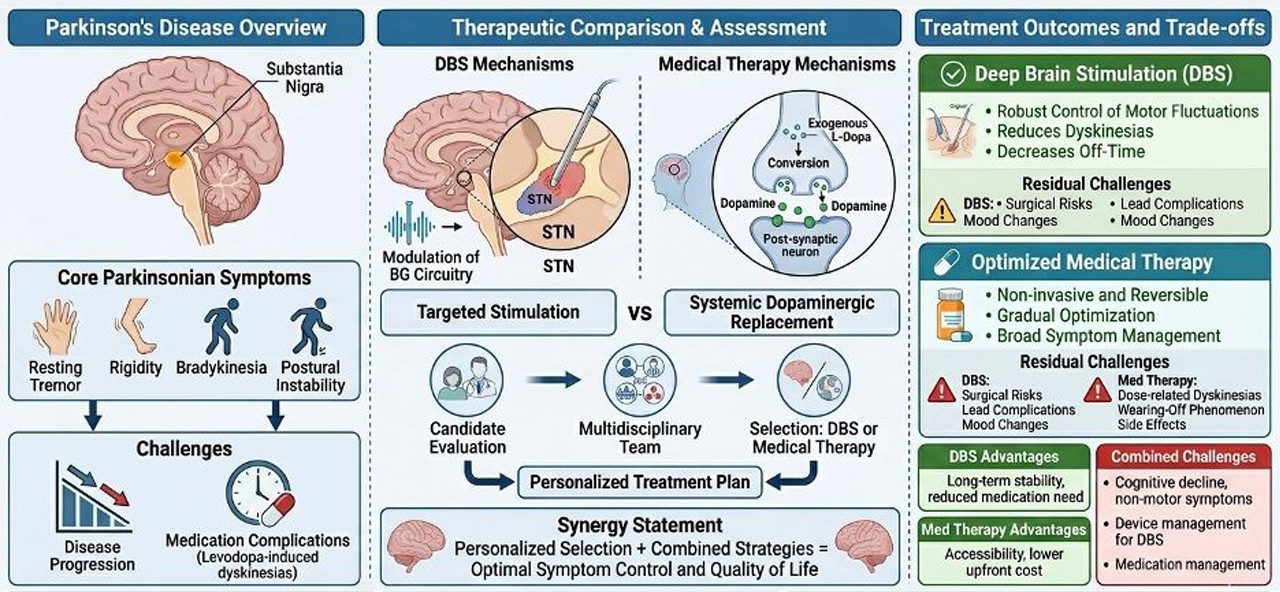
Graphical Abstract:
Reseach Highlights:
- Deep brain stimulation combined with medical therapy imrproved quality of life than medication alone.
- Earlier intervention improved 2-year outcomes but increased 11-year motor complications.
- STN and GPi stimulation yielded comparable motor improvements but differed in secondary outcomes.
- While deep brain stimulation carries notable surgical risks, clinical benefits outweight them in carefully selected patients.
Neuroimmune Interactions in Brain Tumors: A Narrative Review of Microglia and Tumor Microenvironment as Modulators of Progression and Therapy
P. 26-40
Parvin Mozafari 

 , Ragd Khalid Hassan Babiker , Tinatin Jojua * , Daviti Jishkariani , Mohammad Hassan Bagheri
, Ragd Khalid Hassan Babiker , Tinatin Jojua * , Daviti Jishkariani , Mohammad Hassan Bagheri
Abstract
(2409 Views)
| Graphical Abstract
| Reseach Highlights
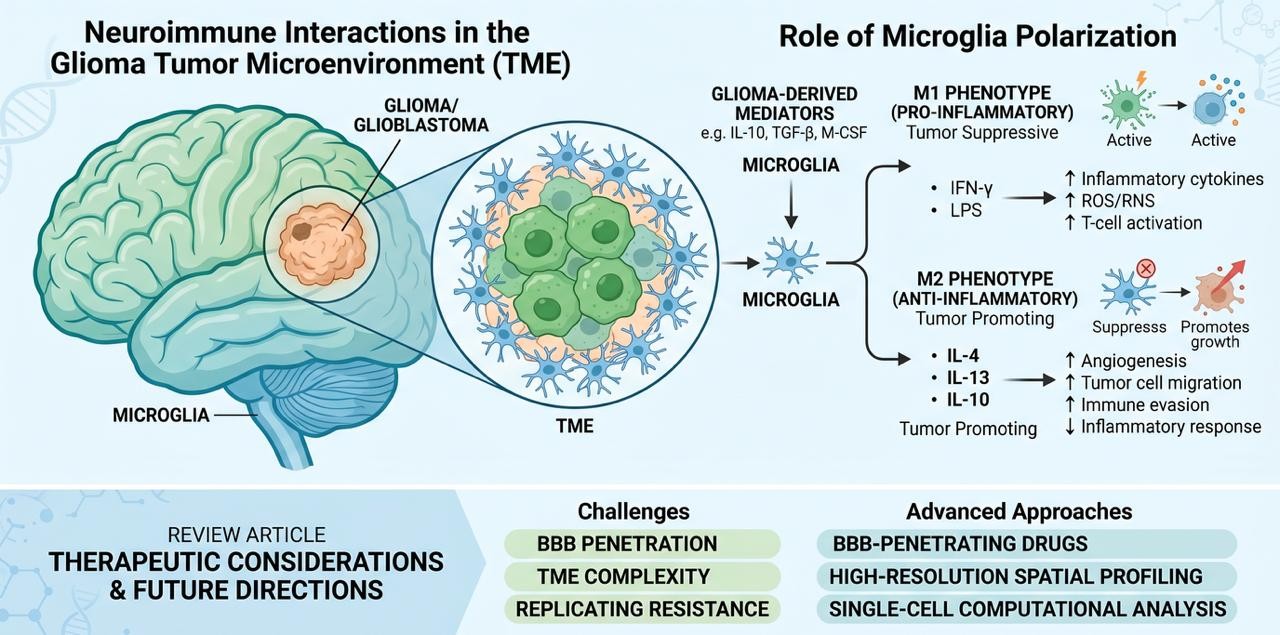
Graphical Abstract:
Reseach Highlights:
- Discover the mechanisms by which microglia regulate neuroimmune interactions that contribute to gliomas progression and resistance to therapy.
- Identify microglial polarization as a key factor in angiogenesis, invasion and immune suppression.
- Show that tumor-derived signals induce a pro-tumor phenotype in microglia in the tumor microenvironment.
- Discuss the value of microglia as target for effective therapeutic interventions and potential therapeutic approach to drug resistance.
- Highlight spatial and molecular immune heterogeneity as a basis for precision neuro-oncology therapy.
The Multifaceted Relationship Between Metformin and sleep Architecture: Current Evidence and Future Direction
P. 41-65
Abstract
(2519 Views)
| Graphical Abstract
| Reseach Highlights
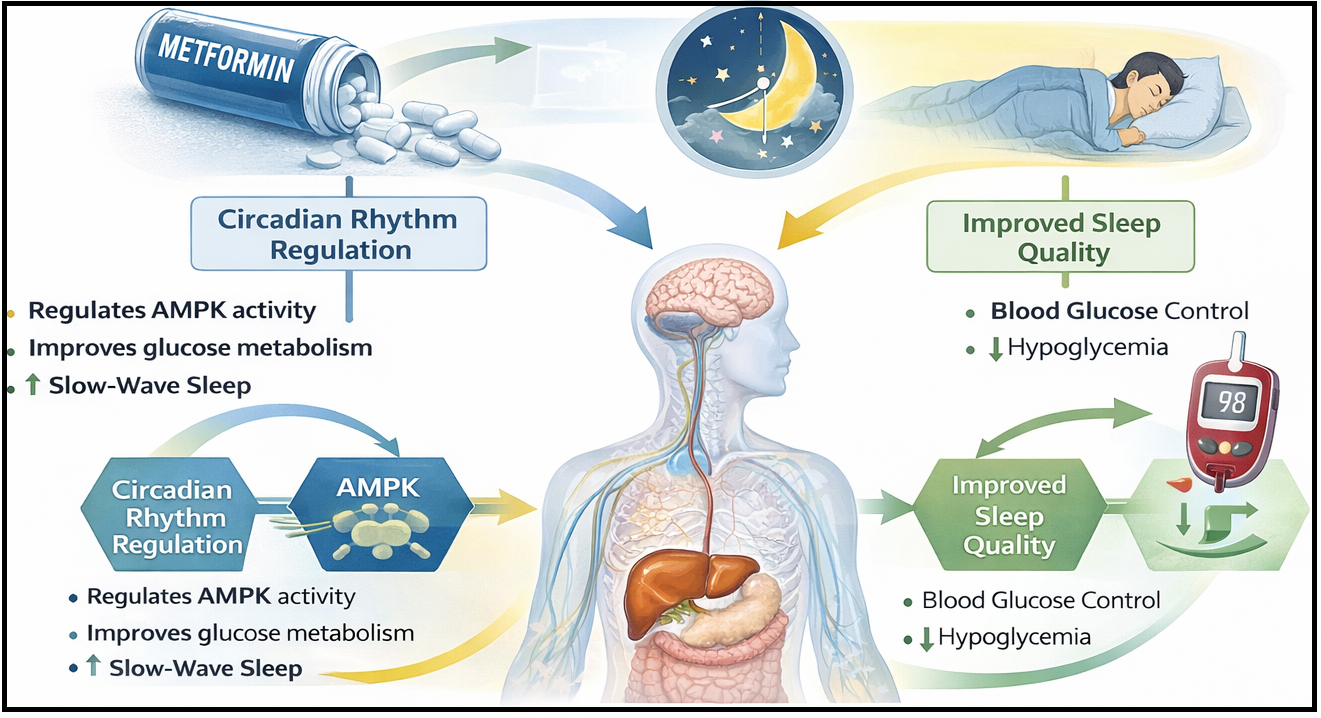
Graphical Abstract:
Reseach Highlights:
- Metformin may modulate sleep through glucose metabolism and AMPK circadian pathways.
- Rodent studies show metformin increases slow-wave sleep, suggesting restorative potential.
- Human evidence remains conflicting regarding metformin's effects on sleep architecture.
- Nocturnal hypoglycemia reduction may indirectly improve sleep quality in diabetics.
- Long-term, dose-dependent studies are needed to clarify metformin's sleep role.
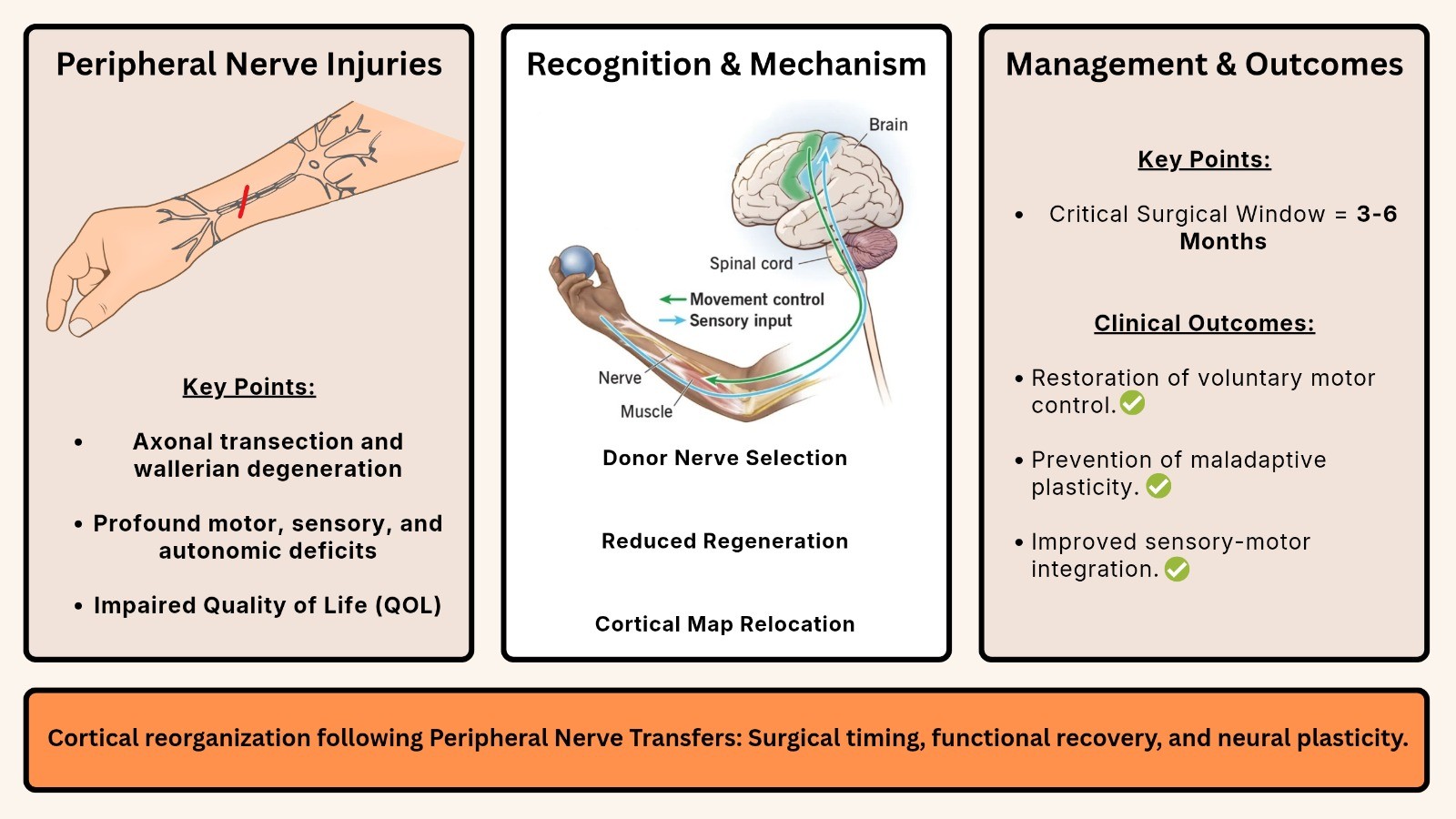
Cortical Reorganization Following Peripheral Nerve Transfers: Surgical Timing, Functional Recovery, and Neural Plasticity
P. 66-80
Arjun Jay Prakash * , Mariam Narsia , Nino Gagvishvili , Vakhtang Lazrishvili , David Canik , Muath Hussain
, Mariam Narsia , Nino Gagvishvili , Vakhtang Lazrishvili , David Canik , Muath Hussain
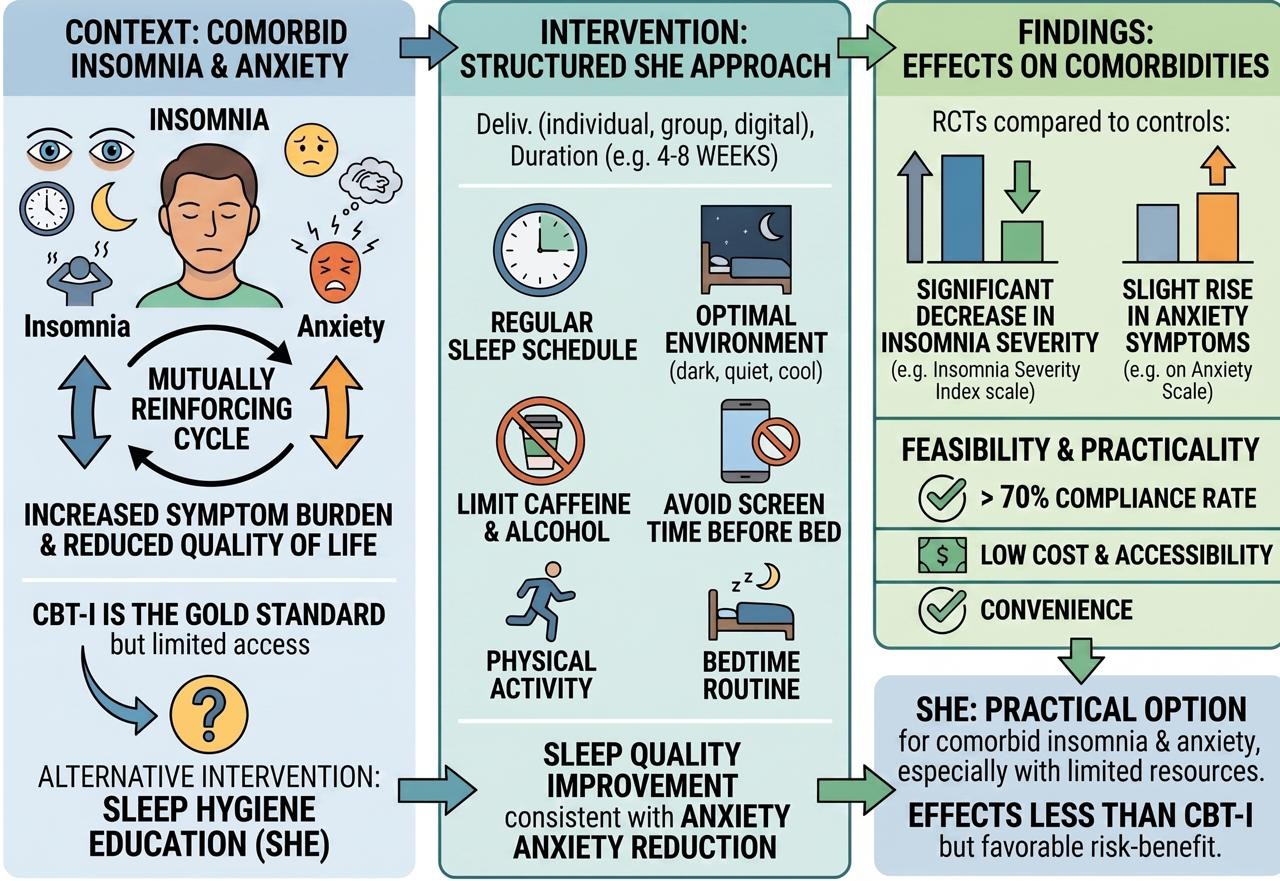
 Effect of Structured Sleep Hygiene Education on Insomnia Severity and Anxiety Levels in Adults with Co-Occurring Insomnia and Anxiety: A Narrative Review of Controlled Studies
P. 81-100
Abstract
(2446 Views)
| Graphical Abstract
| Reseach Highlights
Graphical Abstract:
Reseach Highlights:
- Sleep hygiene education is an effective intervention to decrease the severity of insomnia in adults with comorbid anxiety.
- Show the effectiveness of sleep hygiene interventions in reducing anxiety symptoms in structured studies.
- To confirm that clinically significant change occurs 4-8 weeks after intervention.
- Emphasize the percentage above 70% in adherence, which reflects the potential of sleep hygiene education in clinical practice.
- Assess structured education on sleep hygiene as a feasible first-line behavior therapy in limited resource setting.
Abstract
(2496 Views)
| Graphical Abstract
| Reseach Highlights
Graphical Abstract:
Reseach Highlights:
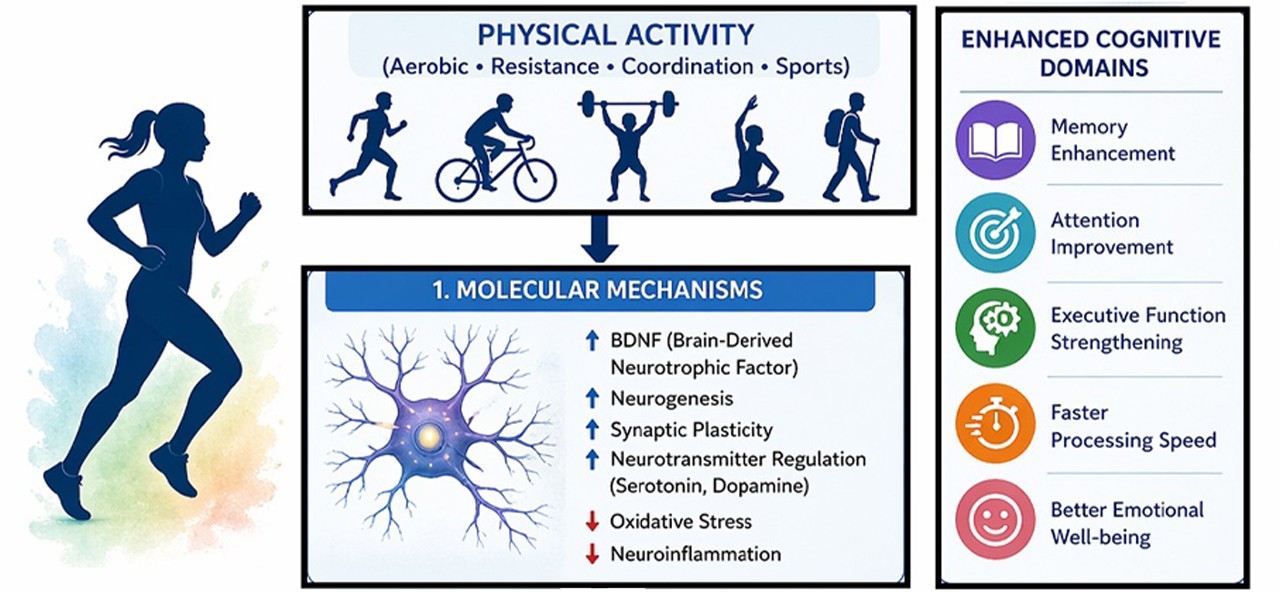
- Physical activity enhances BDNF, supporting neurogenesis and synaptic plasticity across the lifespan.
- Exercise improves brain circulation while reducing oxidative damage and inflammation.
- Regular activity increases hippocampal volume and white matter tract integrity.
- Exercise-induced changes improve attention, executive function, and processing speed.
- Physical activity is low-cost strategy for cognitive health across all ages.
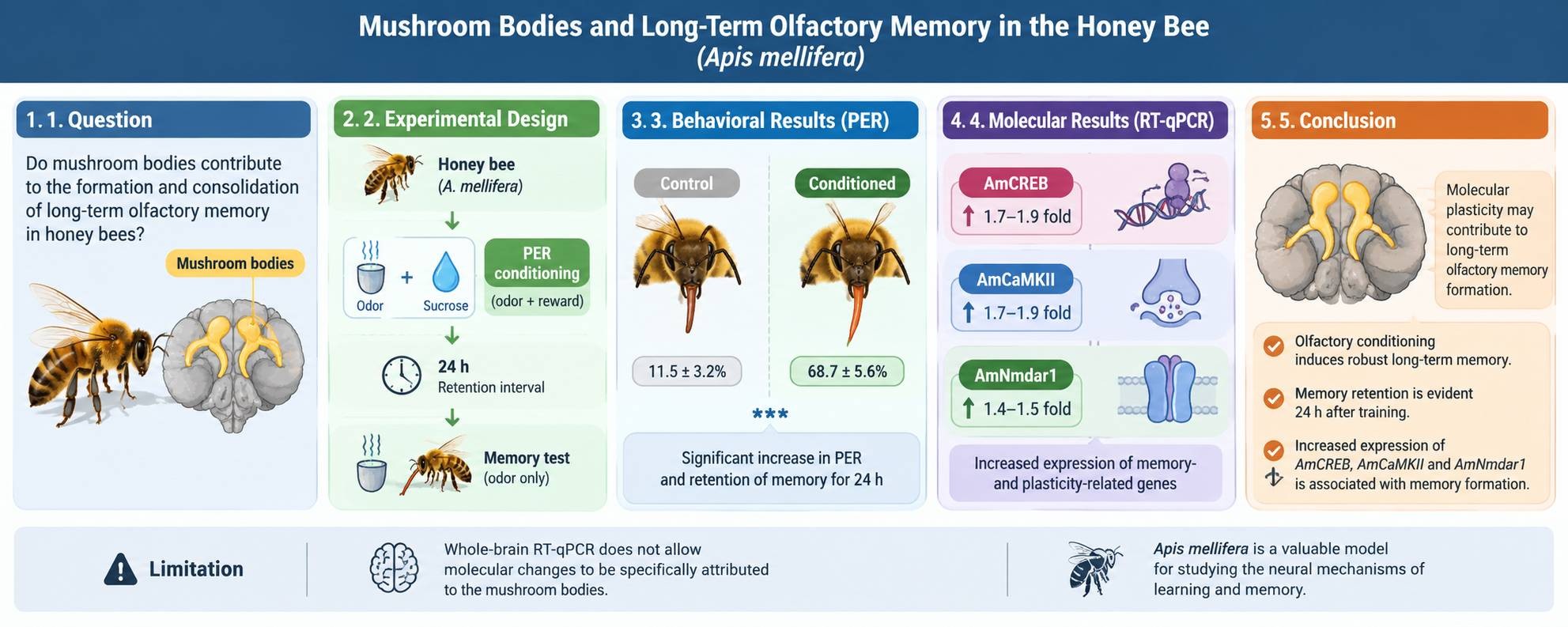
Investigating the Role of Mushroom Bodies in the Formation and Consolidation of Long-Term Olfactory Memory in the Honey Bee (Apis mellifera)
P. 131-140
Abstract
(534 Views)
| Graphical Abstract
| Reseach Highlights
Graphical Abstract:
Reseach Highlights:
- Olfactory conditioning induced robust long-term memory in honey bees.
- Memory retention was evident 24 h after olfactory conditioning.
- AmCREB expression increased following olfactory learning.
- AmCaMKII and AmNmdar1 expression increased after conditioning.
- Molecular plasticity may contribute to long-term olfactory memory formation.


.png)
